April 2, 2026
Why DTC Brands Are Switching to AI Photography

There's a brutal truth at the heart of every direct-to-consumer brand: you don't have a shelf. There's no endcap at Target, no window display on Fifth Avenue, no physical moment where a customer picks up your product and turns it over in their hands. You have a screen. Maybe five inches of it, scrolled past in a fraction of a second. Every pixel on your website, every frame in your Instagram feed, every thumbnail on your Facebook ad — that's your entire storefront. And if those pixels don't stop someone mid-scroll, nothing else you've built matters. Your supply chain, your formulation, your brand story — none of it gets a chance to land if the visual doesn't hit first.
This is the reality that's driven a quiet revolution in how DTC brands produce their visual content. The old playbook — quarterly studio shoots, freelance photographers, weeks of post-production — is giving way to something faster, cheaper, and surprisingly better. AI product photography isn't a gimmick anymore. It's becoming the infrastructure layer that lets lean brands compete visually with companies ten times their size.
The Visual Arms Race That Built DTC
To understand why AI photography matters now, you have to understand the arms race that got us here. When Glossier launched in 2014, it didn't just sell skincare — it sold an aesthetic. That millennial pink, those dewy close-ups, the "skin first, makeup second" visual language — it was a masterclass in using photography as brand strategy. Warby Parker did the same thing with eyewear. Allbirds with sneakers. Away with luggage. Each of these brands established a visual standard so high that it became the baseline expectation for every DTC brand that followed.
The problem is that those brands had venture capital. Glossier raised $86 million before most of its competitors had a photographer on retainer. They could afford dedicated creative teams, purpose-built studios, and the kind of iterative visual development where you shoot a campaign, analyze performance, reshoot, and refine. For the thousands of DTC brands that launched in their wake — bootstrapped founders selling candles or jewelry or hot sauce — that level of visual production was simply out of reach. You could have a product every bit as good as the category leader, but if your photos looked like they were taken on a folding table in your garage, customers would never find out.
This created a two-tier market. Funded brands with polished visuals dominated paid acquisition because their ads converted better. Better conversion meant lower customer acquisition costs, which meant more budget for creative, which meant even better visuals. It was a flywheel that locked out smaller players. The visual bar kept rising, and the cost of clearing it rose with it.
What a Studio Shoot Actually Costs a DTC Brand
Let's talk numbers, because the economics of traditional photography are what make the AI shift inevitable. A single product photography session with a mid-tier photographer in a major city runs $1,500 to $3,000 for a day. That gets you maybe 20-30 final images across a handful of products. Need lifestyle shots with models? Double it. Need location work? Triple it. And that's before retouching, which typically adds $25-75 per image depending on complexity.
For a DTC brand with 50 SKUs that needs hero images, lifestyle shots, and social content for each product, you're looking at $15,000 to $40,000 just to build out your initial visual library. Then there's the ongoing cost — seasonal refreshes, new product launches, A/B testing different visual approaches for ads. A brand doing it right might spend $50,000 to $100,000 a year on photography alone. That's money that isn't going into product development, inventory, or customer acquisition.
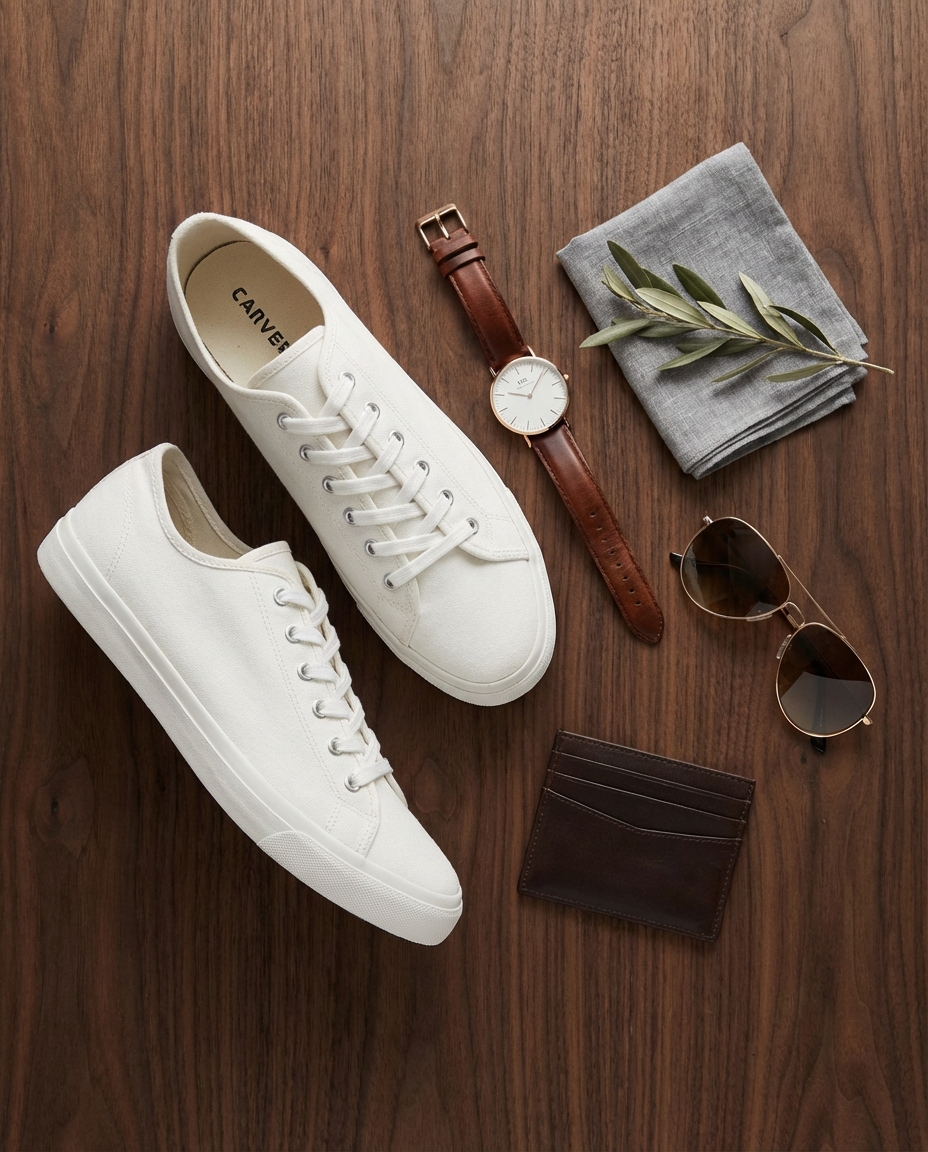
The timeline is equally painful. From booking a photographer to receiving final retouched images, you're looking at 3-6 weeks minimum. For a DTC brand trying to move fast — launching new colorways, testing products, responding to trends — that lag is a competitive disadvantage. By the time your photos are ready, the moment may have passed.
The Content Treadmill Problem
There's another dimension to this that doesn't get talked about enough: the sheer volume of visual content a modern DTC brand needs. It's not 2015 anymore. You can't shoot one set of product photos and use them everywhere for a year. Today's DTC brand needs distinct visual content for its website hero, product detail pages, Instagram grid, Instagram Stories, TikTok, Facebook ads (multiple variants for A/B testing), email campaigns, Amazon listings, and wholesale line sheets. Each channel has different aspect ratios, different aesthetic expectations, and different performance metrics.
A single product might need 15-20 distinct images to cover all channels effectively. Multiply that across a catalog of 50-100 products, and you're talking about thousands of images that need to be produced, organized, and refreshed regularly. This is the content treadmill, and it grinds down even well-funded brands. For bootstrapped DTC founders, it's often the thing that breaks first — they simply can't produce enough visual content to feed every channel, so some channels get neglected, growth stalls, and the brand plateaus. Whether you're listing on Amazon, Shopify, or Etsy, each platform has its own image requirements on top of everything else.

This is the context that makes AI photography not just useful but transformative. It's not about replacing one photo with a slightly cheaper photo. It's about fundamentally changing the economics of visual content production so that a two-person brand can maintain the same visual output as a team of twenty.
How AI Photography Actually Works for DTC
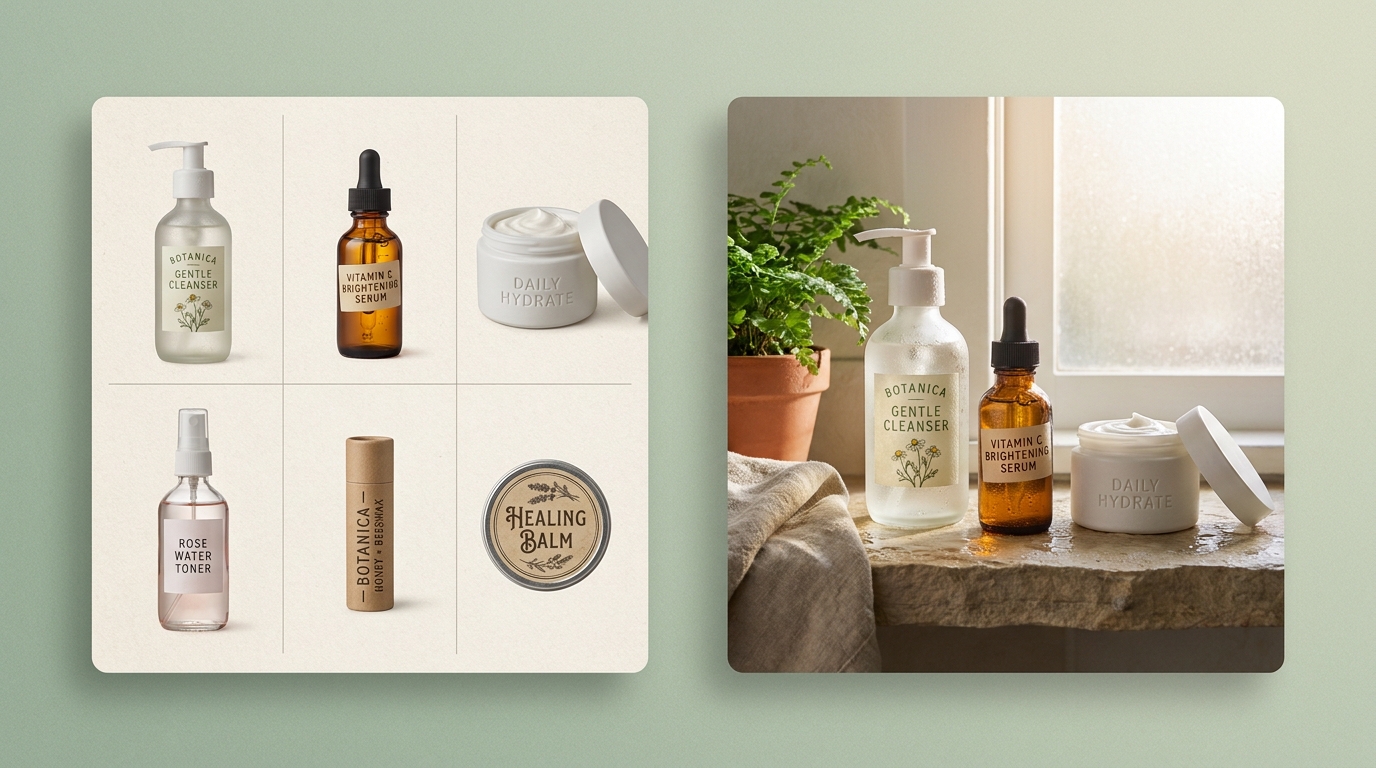
The workflow is simpler than most people expect. You take a clean product photo — good lighting, sharp focus, the techniques covered in our phone photography guide work fine for this. Upload it to a tool like Flyshot's studio. The AI removes the background automatically and generates a professional styled scene around your product. Marble countertops, lifestyle environments, seasonal settings, editorial lighting — the kind of imagery that would normally require a set designer and a half-day studio rental.
What makes this particularly powerful for DTC brands is the iteration speed. Instead of committing to one visual direction per product and living with it for months, you can generate multiple scene variations in minutes. Test a warm, earthy aesthetic for your Instagram feed using style presets. Try a clean, minimal look for your website. Generate a bold, high-contrast version for paid ads. Each variation costs a fraction of what a reshoot would, and you can produce them on demand rather than batching everything into quarterly shoots.
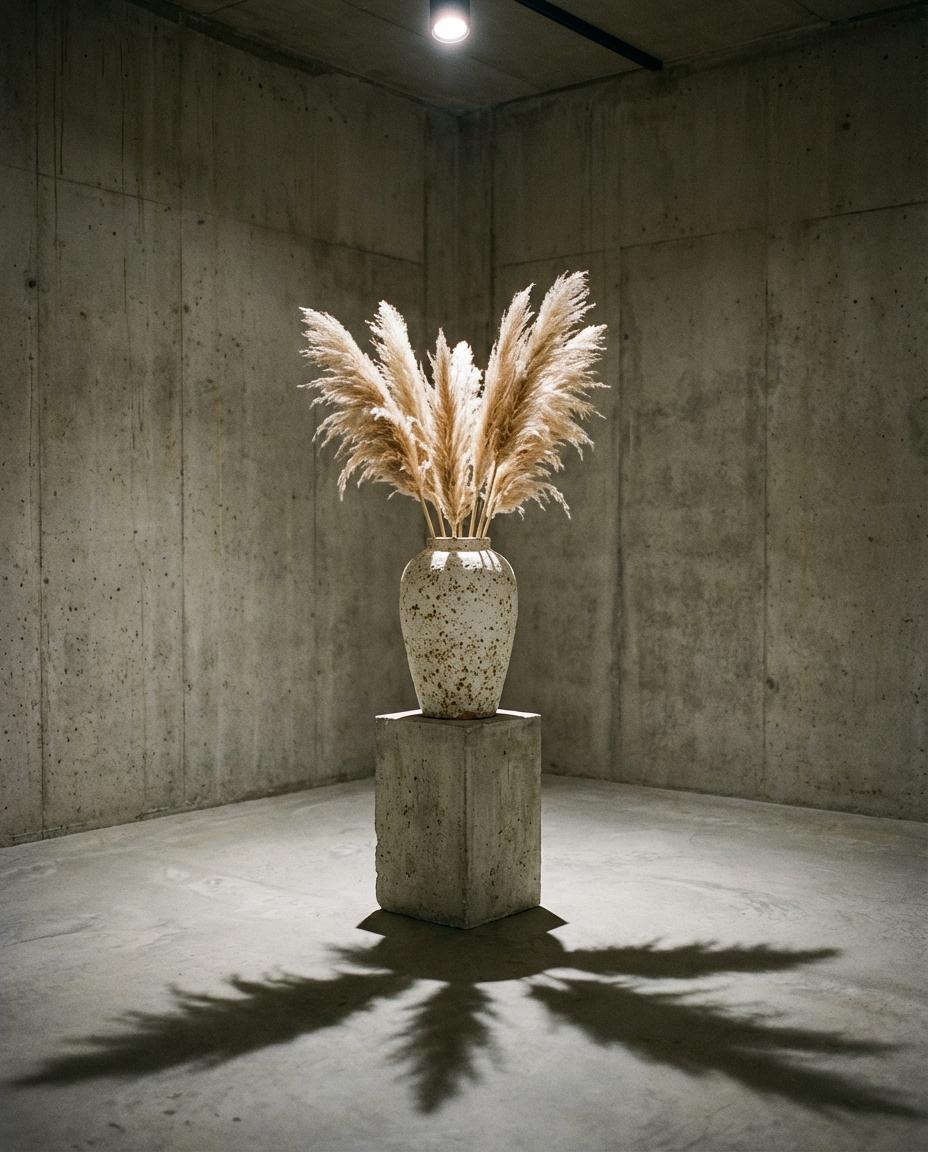
The quality question is the one everyone asks, and it's a fair one. Two years ago, AI-generated product scenes had a certain uncanny quality — slightly off lighting, textures that didn't quite match, shadows that fell in impossible directions. That's no longer the case. The current generation of AI photography tools produces images that are genuinely indistinguishable from professional studio work. The lighting is physically accurate, the materials interact correctly with the environment, and the overall composition follows the same principles a professional art director would apply.
The Brands Already Making the Switch
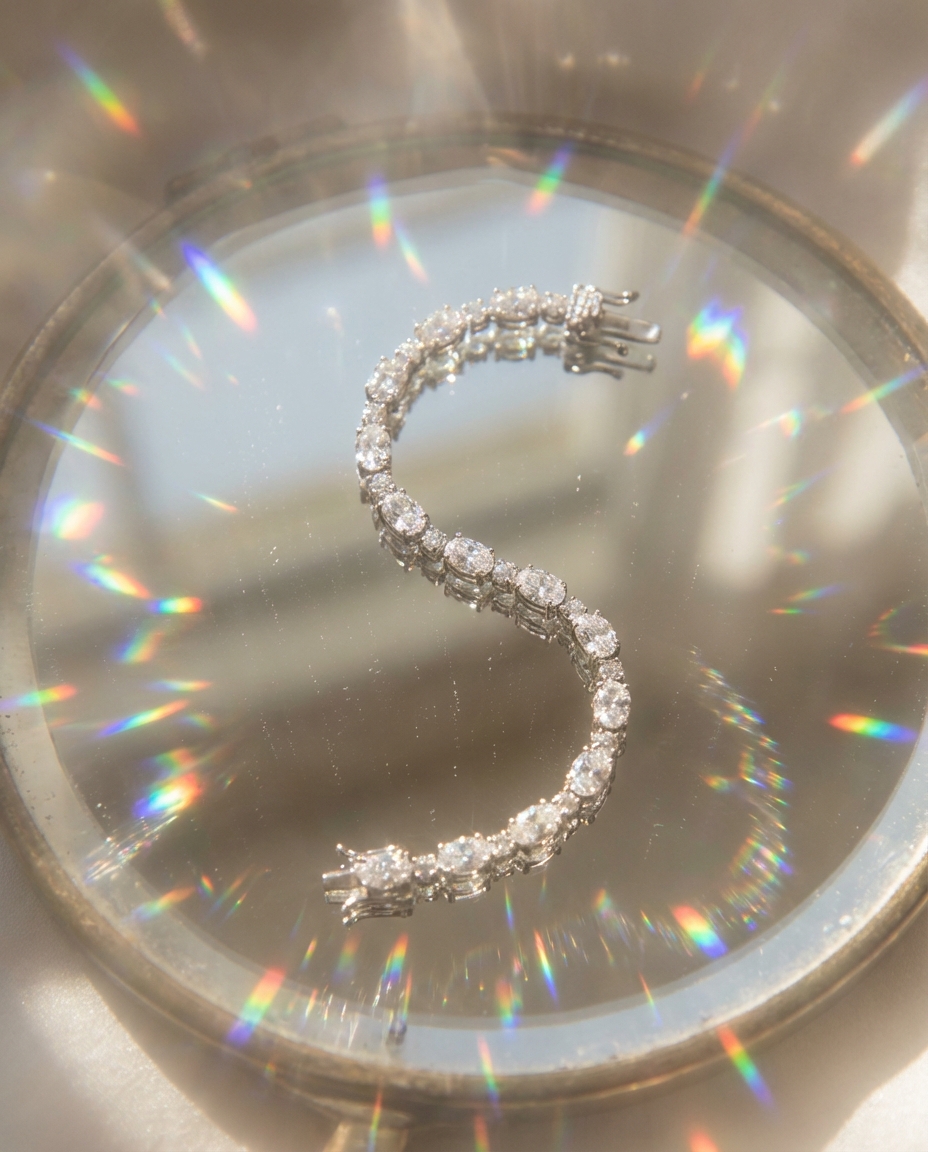
The shift isn't theoretical — it's happening across every DTC category. Beauty brands are using AI to generate the kind of aspirational lifestyle imagery that used to require a full production crew — including on-model photography that shows products being worn. Jewelry brands are creating editorial-quality shots that communicate luxury without the luxury budget. Food and beverage companies are producing styled scenes that make their products look like they belong in a magazine spread rather than a warehouse listing.
What's interesting is that it's not just the scrappy startups adopting AI photography. Mid-market DTC brands with established creative teams are integrating it into their workflows too, using it to extend the output of their existing shoots. A photographer captures the hero shots in studio, and AI generates the dozens of additional variations needed for social, email, and marketplace channels. It's additive, not replacement — and it's letting creative teams focus their time on the high-concept work while AI handles the volume.
The Math That Makes It Inevitable
Here's where the DTC photography conversation gets really interesting. A traditional product shoot that produces 30 final images at $3,000 works out to $100 per image. With AI photography, the same brand can produce comparable images for a few dollars each — Flyshot's pricing starts at roughly $0.30 per credit, with each generation costing 1-4 credits depending on resolution. Even at the highest resolution, you're looking at under $2 per image. That's a 50x cost reduction.
But the cost savings aren't even the most compelling part. It's the speed and flexibility. A DTC brand launching a new product can have a complete visual library — website heroes, social content, marketplace listings — ready in hours instead of weeks. A brand that spots a trending aesthetic on TikTok can generate matching product imagery the same day instead of booking a shoot for next month. A founder testing a new product concept can create professional-looking visuals for a landing page before they've even ordered inventory. That kind of agility used to be impossible. Now it's table stakes.
What This Means for the DTC Landscape
The democratization of visual quality is going to reshape the DTC market in ways we're only beginning to see. When every brand can produce photography that looks like it belongs in Vogue, the visual playing field levels out. Competition shifts back to where it should be — product quality, brand story, customer experience. The brands that win won't be the ones with the biggest photography budgets. They'll be the ones with the best products and the smartest visual strategies, regardless of their size.
For DTC founders reading this, the implication is clear: the visual barrier to entry that's existed for the past decade is dissolving. If you've been holding back on channels because you didn't have enough content, or settling for mediocre product photos because you couldn't afford better, that constraint is gone. Tools like Flyshot have made it possible to produce the kind of imagery that used to require a funded creative department. Flyshot's brand catalog lets you upload your products once and generate unlimited scenes forever — no re-uploading between sessions. The brands that recognize this shift early and build their visual workflows around it will have a meaningful advantage — not because their photos will be better than everyone else's, but because they'll be able to produce more of them, faster, and iterate their way to what actually converts.
The playing field is leveling out, and the tools that were once reserved for funded creative teams are now accessible to everyone. If you're building a brand in fashion, jewelry, beauty, food, or home goods, the question isn't whether to adopt AI photography — it's how quickly you can integrate it into your workflow before your competitors do.