April 8, 2026
AI Beauty Photography for Skincare Brands
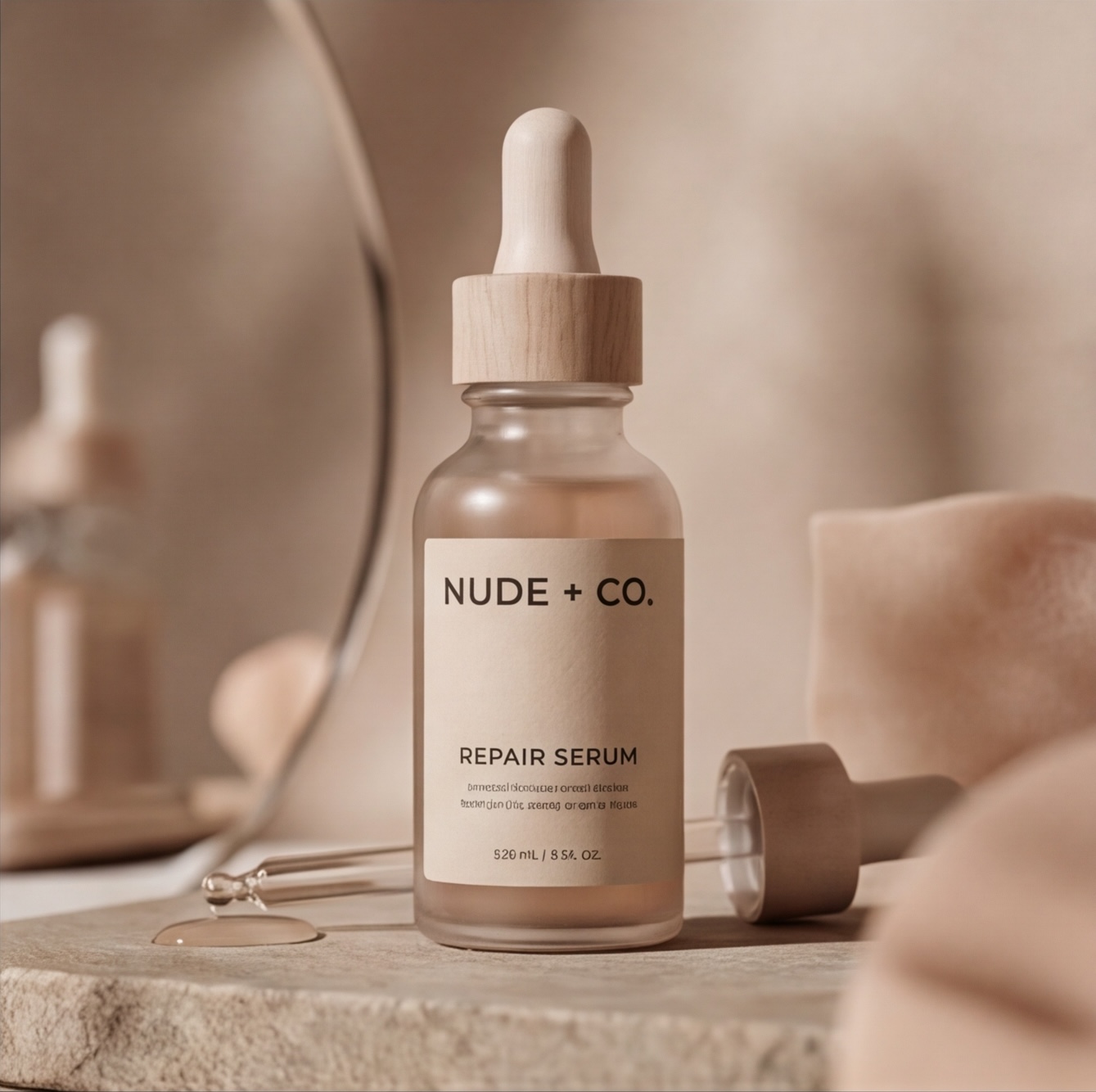
Beauty is the one product category where the photography isn't just marketing — it is the brand. Think about any skincare line you admire. Before you ever tried the product, before you read a single ingredient list, you saw the imagery. The soft light on a frosted glass bottle. The clean, airy composition with a sprig of eucalyptus or a smear of texture cream. The color palette that whispered "clean" or "luxurious" or "clinical-grade effective." That visual identity is what made you pick it up (or click on it), and building it is one of the most expensive parts of launching a beauty brand. The photography isn't an afterthought — it's the foundation everything else is built on.
Which is exactly why indie skincare brands struggle so much with it. You can formulate an incredible serum, source beautiful packaging, build a Shopify store that looks sharp — and then hit a wall when it's time to shoot your products. Professional beauty photography is a production. We're talking custom-built sets with acrylic risers and textured backdrops, carefully arranged props (fresh botanicals, water droplets, fabric swatches), lighting rigs designed to make glass and plastic packaging look their absolute best, and hours of post-production to get the colors and textures exactly right. A single product can easily cost $500-1,000 to shoot properly, and most skincare lines have ten to twenty SKUs. The math doesn't work for a brand that's still finding its audience.
The Visual Language of Beauty Brands
Every successful beauty brand has a visual language — a consistent set of choices about color, light, texture, and composition that runs through every image they produce. Glossier built an empire on millennial pink and dewy skin. Aesop's entire identity is amber glass and apothecary minimalism. The Ordinary went the opposite direction: clinical, stripped-back, almost brutalist. None of that happened by accident. Those brands invested heavily in defining their visual identity early and then executing it consistently across every touchpoint — product pages, social media, email campaigns, packaging inserts, the works.
The consistency part is what kills most small brands. Even if you nail the look for your launch shoot, maintaining it across new product releases, seasonal campaigns, and platform-specific content (your Amazon main image has different requirements than your Instagram carousel) requires either an in-house creative team or an ongoing relationship with a photographer who understands your brand. Every time you introduce a new SKU, you need to recreate that same visual world from scratch. Same lighting. Same props. Same mood. It's doable, but it's expensive and time-consuming, and any deviation breaks the spell.
Why Traditional Beauty Shoots Are So Elaborate
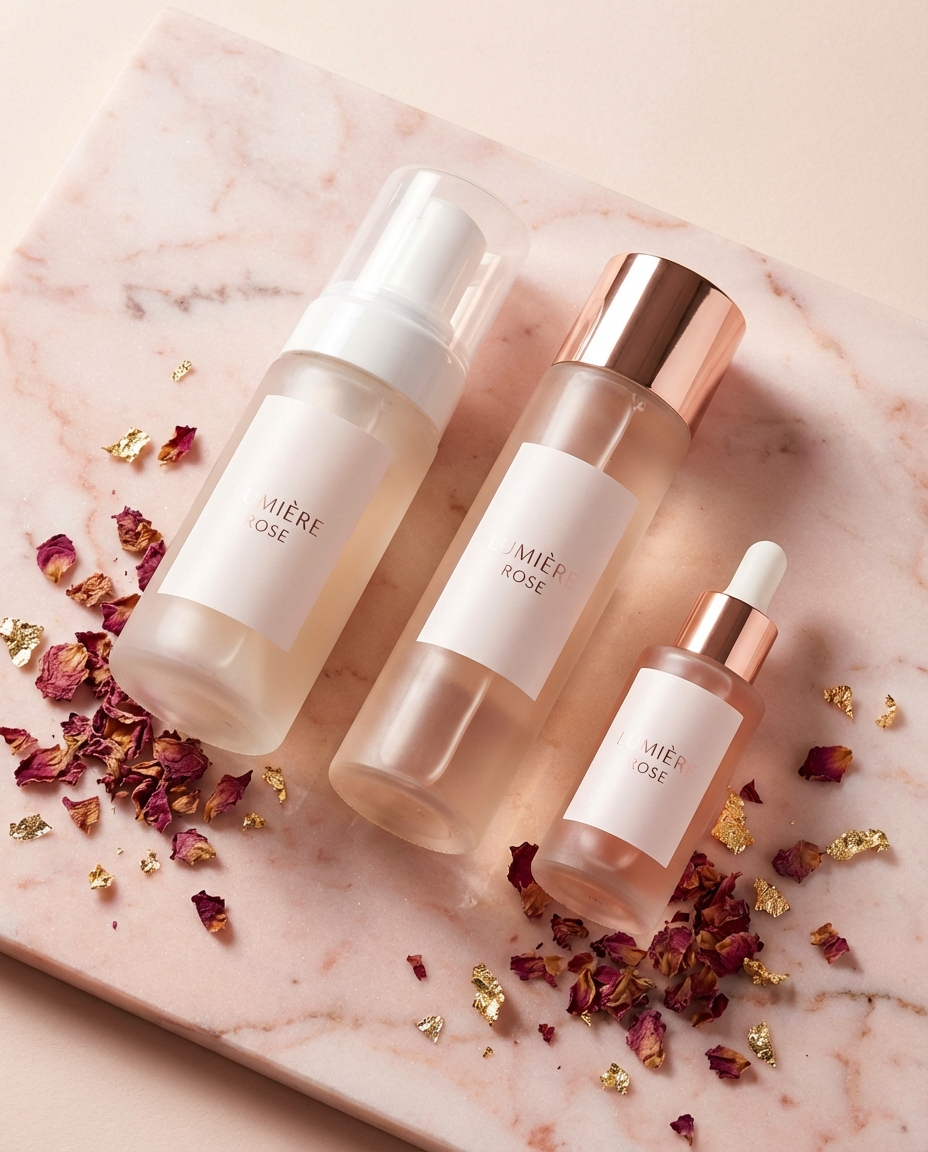
If you've never been on a beauty product shoot, the level of detail involved is almost comical. The photographer and stylist will spend twenty minutes adjusting the position of a single leaf. They'll mist water droplets onto a bottle with a spray bottle, then carefully remove the ones that don't look right with a cotton swab. They'll swap out background textures — linen, marble, concrete, wood — until the color temperature plays nicely with the packaging. And they'll shoot the same composition from slightly different angles, with slightly different lighting, dozens of times, because the difference between "good" and "perfect" in beauty photography is measured in millimeters and fractions of a stop.
The reason for all this fuss is that beauty products are, physically, pretty boring to photograph. A tube is a tube. A bottle is a bottle. A jar is a jar. What makes a beauty product photo compelling isn't the product itself — it's the world you build around it. The textures, the colors, the props, the light. That's what communicates "this is a $60 serum, not a $12 one." And building that world, traditionally, requires a physical set, physical props, and a photographer who knows how to light glass and plastic without creating ugly reflections or hot spots.
How AI Creates the Premium Beauty Aesthetic
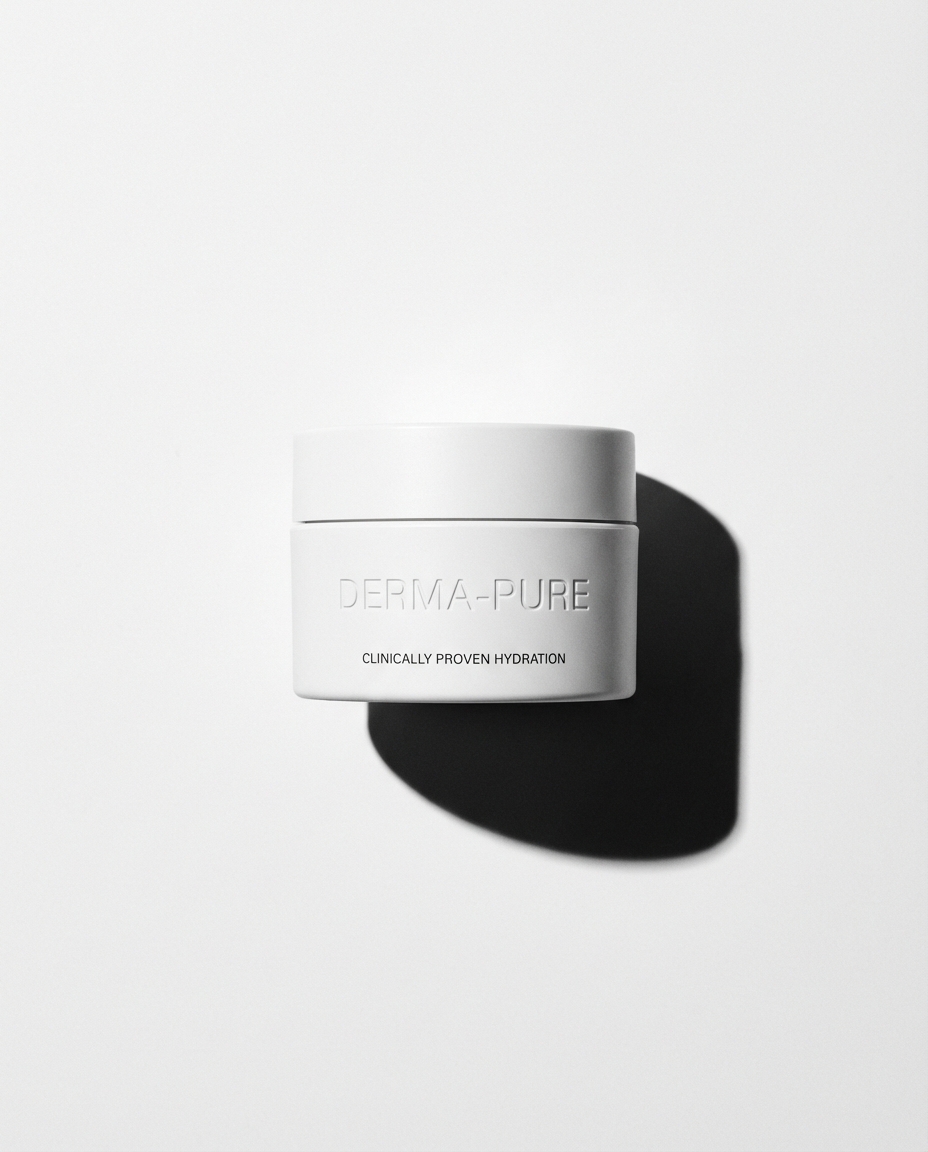
This is where the shift gets interesting for skincare brands. AI beauty photography doesn't just remove a background and drop your product onto a stock photo. Flyshot's AI scene generation creates an entirely new scene — lighting, shadows, reflections, props, textures — that's designed to make your specific product look like it belongs in a high-end editorial spread. The AI understands how light wraps around a cylindrical bottle differently than a flat compact. It knows that frosted glass diffuses light while clear glass creates sharp caustics. It handles the subtle color interactions between your packaging and the background surface, with detail preservation that captures every nuance — so a warm-toned moisturizer sits naturally on a sandstone slab while a cool-toned serum looks right on pale marble.
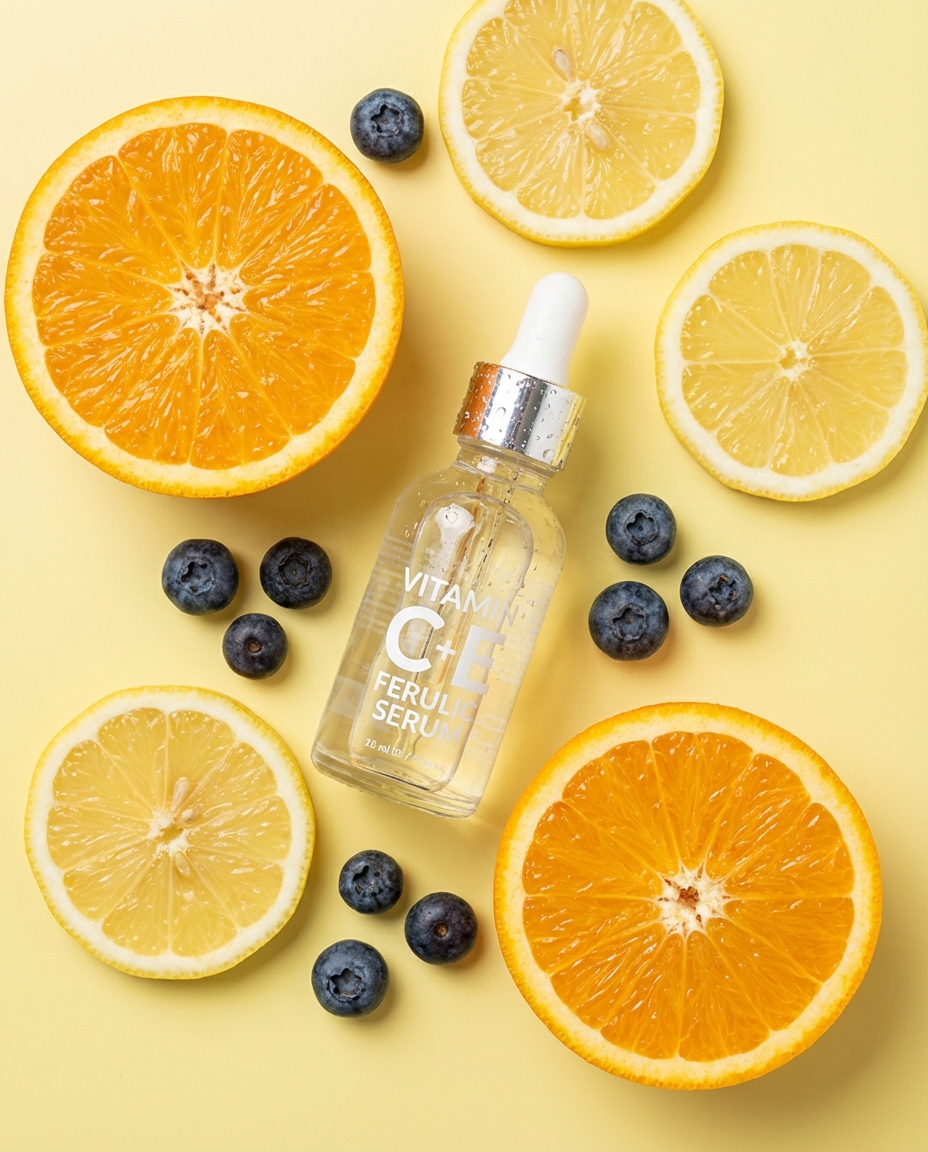
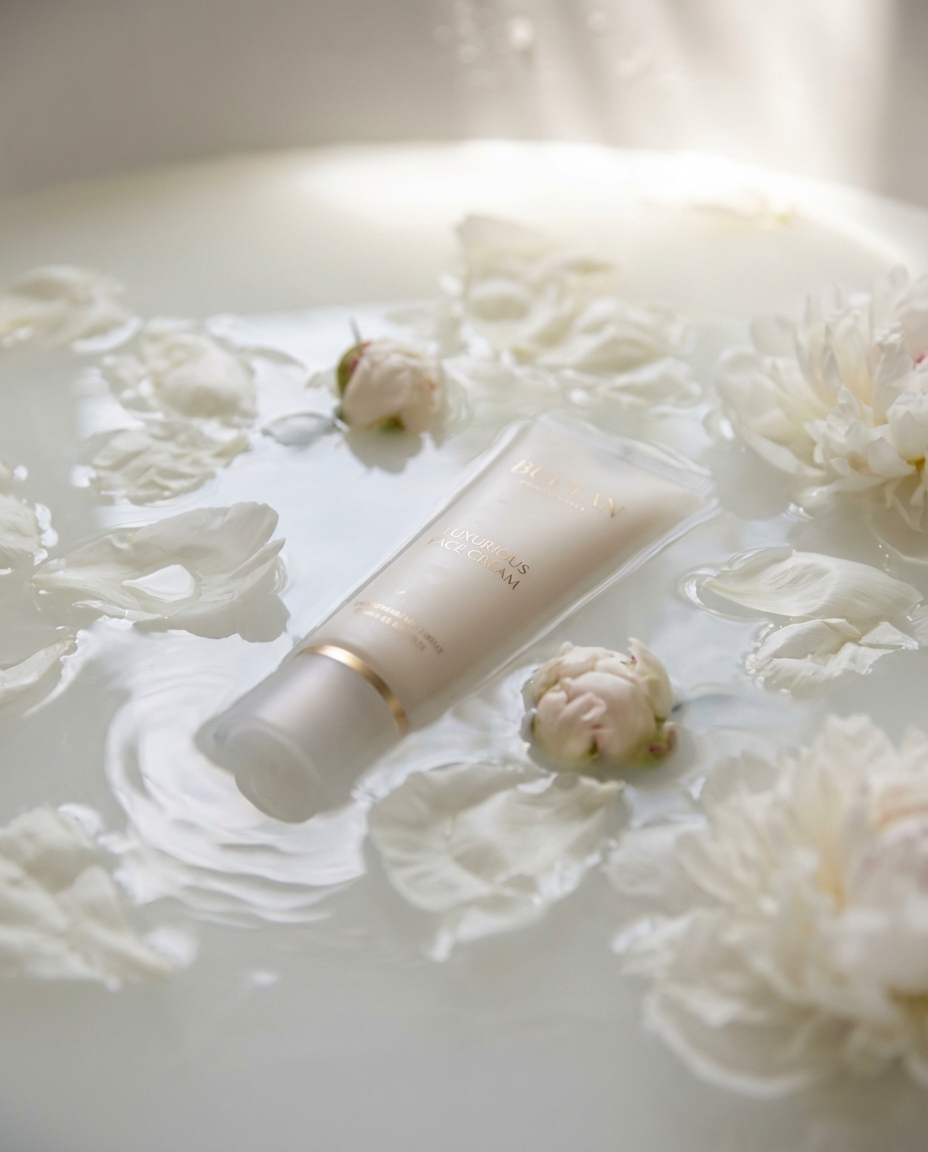
Look at the images throughout this article. These were generated by AI from simple product photos — no studio, no stylist, no elaborate set. The botanical elements feel intentional, not pasted in. The lighting is soft and directional in the way that beauty photography demands. The compositions have breathing room without feeling empty. This is the kind of imagery that, two years ago, required a full production day and a four-figure budget per product. Now it takes a few minutes and a handful of credits.
Building a Consistent Brand Look With AI
The real power for skincare brands isn't any single image — it's the ability to maintain visual consistency across an entire product line without the logistical nightmare of coordinating repeated shoots. When you use Flyshot's studio, you can define a style — say, warm natural light on a travertine surface with dried botanicals — and apply it across every product in your catalog. Your cleanser, your toner, your serum, your moisturizer — they all live in the same visual world. Add a new product six months later? Same look, same feel, no need to rebook a photographer or hope they can recreate the exact same setup.
That consistency extends to platform-specific needs, too. You might want a clean, minimal composition for your website hero images, a more styled lifestyle scene for Instagram, and a white background cutout for Amazon. Traditionally, that's three separate shoots (or at least three separate post-production workflows). With AI, it's three different scene selections from the same source photo. The product stays identical; only the environment changes. For a brand trying to maintain a cohesive identity across Shopify, Instagram, Amazon, and TikTok Shop simultaneously, that's a genuine operational advantage.
Getting Started as a Skincare Brand
The input photo matters, but it doesn't need to be perfect. A well-lit shot on a plain background — even taken with a phone — gives the AI enough to work with. Our phone photography guide covers the basics of getting clean source images, and the AI background removal guide explains what happens when your background is stripped away. From there, it's about experimenting with scenes until you find the aesthetic that matches your brand.
Start with your hero product — the one SKU that defines your line — and generate a few different scenes to see what resonates. Try a warm, organic look with natural textures. Try a cool, clinical aesthetic with clean surfaces. Try something moody and editorial. For inspiration on the transformation AI makes possible, see how brands go from bathroom counter to editorial. Once you've found your visual identity, roll it out across the rest of your catalog. The pricing is credit-based, so you can experiment freely without committing to a full production budget. 25 free credits come with every new account — enough to see what your products look like in a completely different visual context.
For more on how AI is reshaping product photography across categories, our complete AI product photography guide covers the full landscape. Explore how Flyshot handles AI beauty photography for skincare and cosmetics brands. And if you're weighing whether to invest in lifestyle scenes or stick with white backgrounds, this breakdown will help you decide — though for beauty brands, the answer is almost always both.